Episode Transcript
[00:00:00] Speaker A:
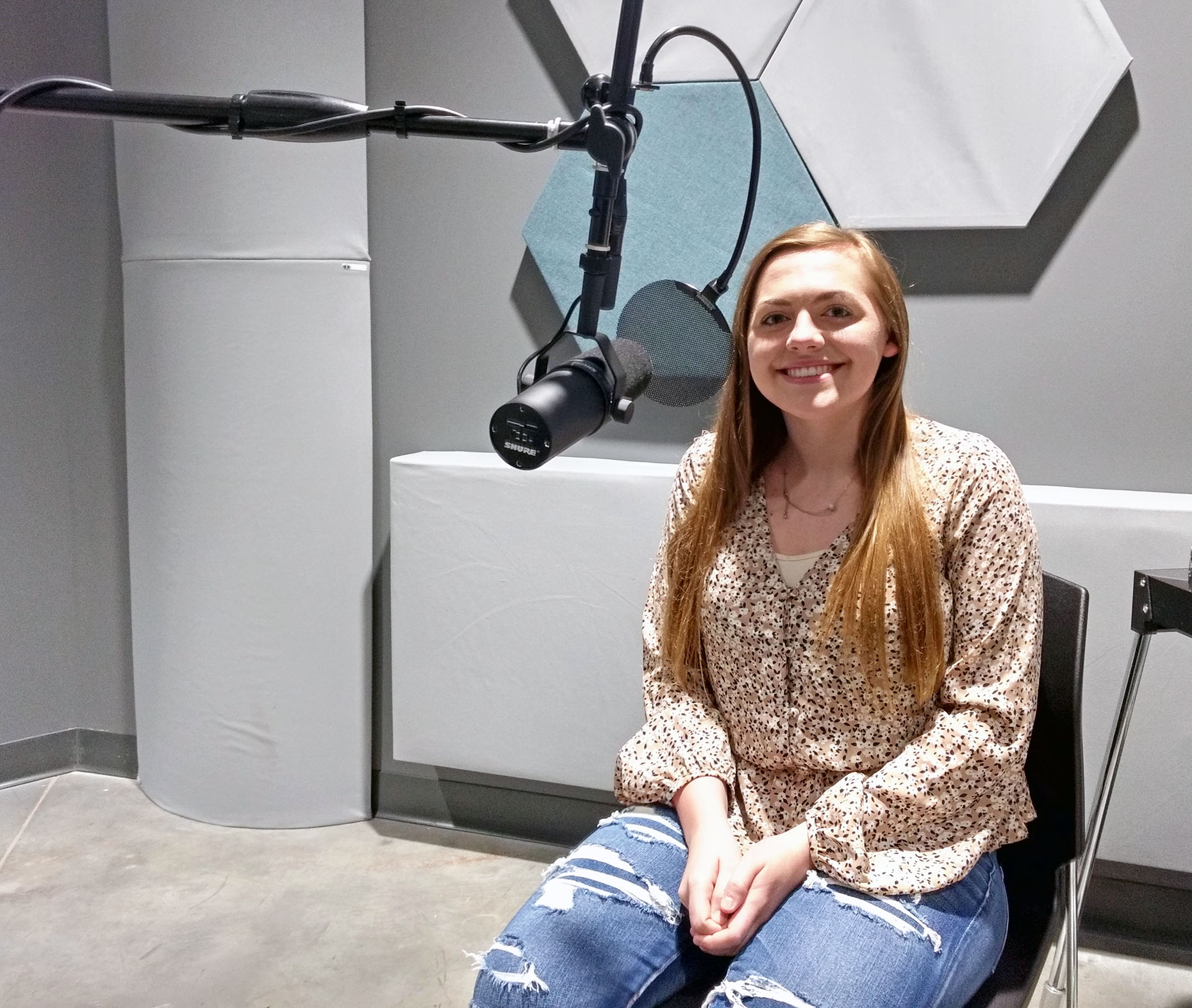
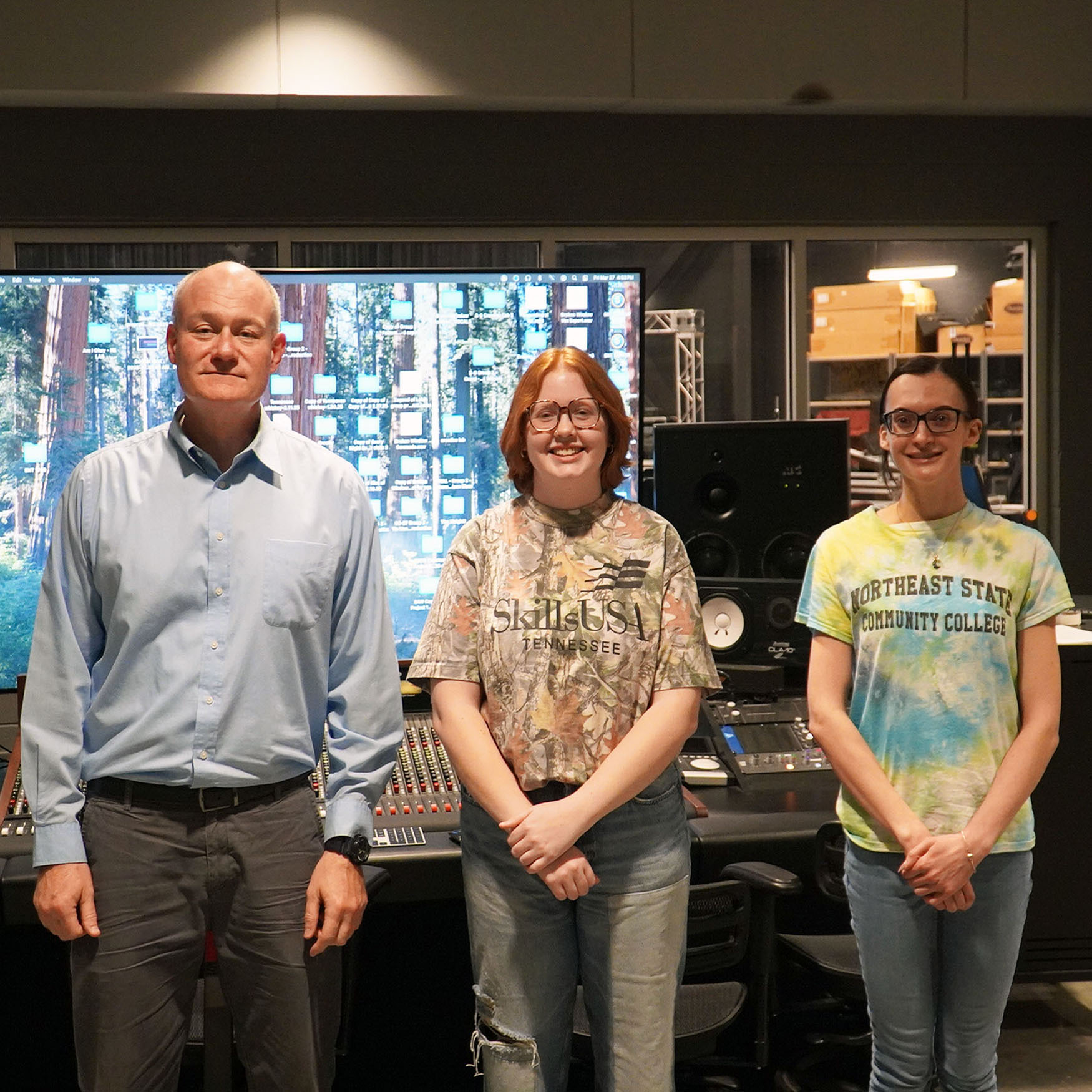
Welcome to The Sound Bearier, Northeast State Community College's official podcast. I'm your co-host Mackenzie Moore-Gent here along with fellow co-host Thomas Wilson. Today, we're recording from the Entertainment Technology studio in the Technical Education Complex of our Blountville campus.
2026: it's a special year for Northeast State. The College is celebrating 60 years of serving our region, and we've been reflecting on the people and the moments that have helped shape the college into what it is today. In today's episode, we're joined by Greg Walters, someone who has been connected to Northeast State for decades in a variety of roles and capacities and continues the good work. Greg shares some great memories from earlier days at the college, reflects on the mission that continues to guide Northeast State, and talks about the work happening now through the Alumni Office to strengthen connections with our graduates and keep our community engaged long after graduation.
Today will be a conversation about legacy, community and the lasting impacts of not just education, but of Northeast State Community College and the connections and relationships it forms. Greg, thank you so much for joining us today.
[00:01:21] Speaker B: Thank you. I'm very, very honored to have been invited to talk about some traditions and history of Northeast State Community College.
[00:01:29] Speaker A: How about we just dig right in? I'm excited! I'm not new here, per se, anymore. I'm in my third year. You have many more years of knowledge about the College. What came to the top of your head when I reached out and requested that you join us for this episode?
[00:01:47] Speaker B: You know, of course, you know, the traditions of the campus, the history of the campus. And I was thinking about, well, the. There's been a lot of changes. There's been different faces. There's been new technology, there's been new academic programs, there's been new student life, student success initiatives throughout the college's almost 60 year history.
And I've was privileged to be part of 30 years of that history. And so I saw a lot of changes, but the one thing that never changed was the commitment to the student, to their success.
If you know me, you know that I'm very sentimental and I do get weepy and I do cry. So I will tell you that up front. So don't be concerned that I'm having an issue or a problem or anything during the podcast. But, but, yeah, that's something that has never wavered, you know, is putting the student first.
So how you do that may change the processes, the procedures, you know, what society influences, what the need is for business and industry, what the need is for academic programs, what the technology allows you to do.
You know, so all that changes. But as long as the focus of the student is first, student success, you know, we're here to help them find a better quality of life, which will enrich the community that they live in and that we serve. And so that has always been Northeast State's mission, I think, is to do that. And so that's not changed. But I can tell you a lot. A lot of the technology has changed. The way we outreach to students, you know, the way we program, what current students think is.
Can I use the word hip? Is that outdated? You know, what they think is current or how they want to get involved, that has changed. And so the challenge is always keeping up with that. But Northeast State does a great job, and I think we. And working in marketing and communications, I'm sure you've seen how much our image and our brand has improved in the community over the last few years. And a lot of that has to do with the workforce development and the CTEs and the STEM programs, but it also has to do with the college's response to the needs of the community as well.
[00:04:31] Speaker A: Thirty years.
Thirty years. That's, you know, three decades. It's a lot of experience, a lot of time here, and being a part of something, you know, that's so much bigger than we are as individuals. Could you share a little bit more about your background here at Northeast State?
[00:04:44] Speaker B: Yeah, yeah. I'm an alumni of Northeast State. I did it backwards. So. Yeah, so I. My first day of employment was July 17, 1989.
And I remember that day because I tell people that's the day that changed my life, you know, being hired here.
And.
Yeah, so that was, you know, I think, back because I had graduated from East Tennessee State University with a degree in mass communications, you know, print journalism, if anybody remembers print journalism. And.
And, you know, and. But I was still kind of restless about what I wanted, you know, to do. I worked at Milligan College for a little. For a little bit in public relations, went back to school to a master's in sociology. But that real. I realized that really wasn't what I wanted to do. And I got the job here at Tri City State Technical Institute in 1989 in public information, working, doing news releases, doing the layouts for publications, working in the print shop where we had to act, actually typeset all the stories, print it out on film and cut the film and then lay it out on layout sheets.
[00:06:00] Speaker A: Wow.
[00:06:00] Speaker B: And then print It. Yeah. So back in. Tom remembers those days well.
[00:06:04] Speaker C: Yeah, that's how you did it.
[00:06:06] Speaker B: Yeah. And so.
But, you know, what really affected me was the people, you know, the sense of family. And at that time, you know, we were small, you know, less. Probably around a thousand students at the most in those early days, tuition was around $500 a semester for full time back then, you know, but the people and the efforts that I saw, you know, the faculty and the staff put into the students, I really thought, oh, wow, you know, this. I've. I've got a home here. Because it really appealed to me.
And so I was fortunate enough to move around. So I went from public information to student activities and coordinated the student life programs. Then I moved to institutional advancement and worked with alumni affairs and scholarship programs. And that's where Tom and I first met in institutional advancement.
And then I moved to student Development, Dean of Student Development, and eventually I retired as assistant vice president for student success and dean of Student Development.
And I always tell people that I had the fun activities. My division, you know, we had student life scholarship programs, student needs counseling and testing, accessibility, health and wellness. So I got to interact, you know, on a daily basis with students and working to help them succeed with our different programs. And so, yeah, so kind of built.
Built my theories of leadership, you know, around my experience at Northeast State. And so that's kind of my background. So I feel very lucky. And I will say that I think having a communications degree set me up perfectly to then earn a master's in higher education from Tusculum University.
Because part back in the day, the public information, the public relations and marketing, as it was called then, we were responsible for doing the college catalog.
Yes. And so this was in the day where you would receive copies of the printed catalog that had been revised in handwritten notes, everything. And my responsibility was to sit at the computer. A Mac. Back then, we had Macs decipher all of the changes to the academic catalog, you know, and do that. But that allowed me to understand how the entire college functioned or how one department affected another, because if there was an inconsistency in, let's say, prerequisites, you know, one major in the same department, their prerequisites, you know, there were some that were the same, some were different.
And so I had to double check those to make sure they were accurate. Accurate. And so it. I've learned so much about how the other areas of the campus interacted, how one division or one error in the catalog could affect another area.
Financial aid how, you know, a student's love, a student's ability to be successful is. It's not all about financial aid, but financial aid plays a huge component in it. And so I learned all of that. And so that's. Once I started working directly with students and student success, I understood the big picture, kind of like from a systems perspective, you know, and so that really played the role in how I led the division and the programs that we tried to, you know, we got in place and we programmed for the, for the students.
[00:10:03] Speaker A: Wow. You had a hand in so many different areas.
[00:10:06] Speaker B: Yeah, yeah. I tell people all the time that, you know, Northeast State taught me the four C's, and that's career, you know, how to have a career and what you needed to do to have a career.
Compassion, you know, and that compassion, you know, I was. I always thought of myself as a compassionate person, but I realized that, you know, working with the students, every student is. Has a different situation, so a different goal, a different path, maybe to the same career, but it's going to be different for each students. And you have to take the time to understand that and meet them further at. And yeah, and then collaboration, you know, nothing at Northeast State happens.
Even though sometimes you feel like you might be in a silo, you're not in a silo. Everything affects everything else. And you have to be willing to collaborate and, you know, make your voice heard and also be willing to compromise, make consent, you know, have consensus. You have to think about the institution moving forward and your department alone does not move the institution forward. It's a collaboration of all the departments. Like that. Yeah, yeah. And so, yeah, so, you know, so those Cs, and also just about commitment, you know, really, really saying, okay, I am committed to Northeast State and you know, I will do whatever I can to get the student. If the student moves forward, if the student advances, then the college advances. Yeah. And I really feel I was very lucky to find a whole bunch of co workers and individuals that had those same four C's.
[00:11:50] Speaker A: Yeah, it's powerful.
[00:11:51] Speaker B: Yeah.
[00:11:51] Speaker A: It is driving force in our community and, you know, it's just an honor to be a part of that as a team again.
[00:11:59] Speaker B: Yeah, yeah, yeah. And that's why I think, you know, I get. I'm not the only one on campus that gets emotional over student success. Because when you see a student exceed out of their boundaries, outside their own expectations, you know, it's, it's, it's marvelous, you know, and, and to know that you may have had a little bit to do with that. Yeah, you know. Yeah, yeah. And so, yeah, so, so that's my experience here and that's what I hope. I, you know, I gave back to the college.
[00:12:24] Speaker A: Well, you continue to give back to. You're still such a big part of this community. I see you at scholars training every single year. And that's just one thing I've waved to you passing by. Lord knows what you're doing, but I know you're on campus still, so.
[00:12:39] Speaker B: Well, you know, I really, I enjoy the opportunity to get back, you know, and come back. You know, I retired for a variety of reasons, but, you know, you know, and some very personal because my, my parents retired and immediately both were terminally ill at the same time, did not have a, enjoy a period to enjoy their retirement. And so I saw that lesson learn. They said, oh, you know, the other thing about it was that, you know, we're a community college and a community college exists as a transitional institution. You know, it's meant to prepare a student to transition to the workforce or to transition to higher, another higher education institution or, you know, or to tradition or transition to positions in their current jobs by giving them intermediate skills to make that, that leap, you know. And so we're as much as people always say, you know, I wish Northeast State was a four year, you know, that's not the role of the community college. And the community college exists to help people transition to a higher level, a better quality of life, you know. And so I thought, well, you know, I need to, you know, I need to exemplify that. You know, I felt like it was time that I could transition and maybe achieve other goals or work in other sectors that I never considered, you know, before. And I was able to do that. And I hope people see that, you know, and see, you know, oh, you know, Greg transitioned successfully. I can transition successfully as well.
[00:14:23] Speaker C: Now as a transitional institution, we don't have residence halls, we don't. We may be getting a sports program soon. We haven't had sports in the past, but that may be coming.
When you were here early, very early on, and you were talking about how you saw the whole, from a systems view of how the college worked, what did you want to do in student life and with the foundation, with scholarship, with a lot of other things that I know you had a big hand in initiating, in making, giving this, the student a more holistic kind of look at Northeast State, other than just go to lecture, take tests, leave class, go to lab, do experiment, leave lab, how did you really seek to give Students that really holistic college experience, even though it is a two year. We are a two year college, of course, and without a lot of the, A lot of the bells and whistles of the folks. Four year.
[00:15:19] Speaker B: What.
[00:15:20] Speaker C: What did you like to put in place to make that happen?
[00:15:23] Speaker B: Well, from my own college experience at etsu, I, and I jokingly say this, I said, when I look back at my own college experience, I remember every organization, every event I went to, every, Every extracurricular activity I was a participant in, but I don't remember taking any tests, all that stuff. But, but that was because, you know, luckily, academics for me, you know, I could progress easily through an academic program.
And, you know, and some students, you know, may not have that same ability. And so academics is everything for them. But I learned so much from being involved, an involved student, a student leader. And so when I came here and I didn't really see that as, you know, I didn't see organizations or activities that was promoting where a student could actually learn something in the classroom and immediately put it to use in a club, in an organization, a leadership position on campus.
And so that was one of my first things that I thought, oh, this isn't part of my job, but I can offer up my skills to help develop some of these programs. And so we started the student ambassador program, which was kind of a public relations support group to have students representing the college out in the community, you know, and that, that was pretty successful. And then they asked me to, you know, start developing some other, like work with the student Government association, you know, work, be on the student activities committee. Because back when I first got here, everything was done by committee.
You know, we didn't have a student life department, we didn't have a cultural activities person, we didn't have international education staff.
Everything was done by. You got appointed to faculty, faculty and staff got appointed to committees every year. You know, Tom lived through that experience as well. And so student activities was done by committee of faculty and staff.
And we had a chair each academic year, someone would rotate into the chair, they would program the activities.
And that's how Honors Convocation started. That's how the student life department started. That's how cultural activity started. It was all done by a collaborative faculty and staff committee to make those events happen for the students.
And so being on that committee for several years, then when Dr. Locke came, you know, he came from Walter State, Dr. William Locke, when he became president, you know, and he came from an institution that had a student life department, a student activities department, and so he basically said, greg, you can stay in public information or you can move to student activities. And so I, you know, I honestly, I just could not face doing another catalog. So I chose to move to student activities and stayed there for eight years, you know, as well. So. And then did that. So part of that part. Going back to your question, Tom, I'm sorry I got on a tangent, but. But really it was just seeing the need and thinking about, okay, what could we adapt to the community college? You know, and already we were doing. I mean, you know, Phi Theta Kappa was already in existence. That was really the, you know, one of the only clubs that was on campus at that time, or student organizations. We didn't have a cafeteria. We had a vending machines, you know, down in the basement of the general studies, or the garden level, as they called it back then, of the general studies. It was one room that had vending machines and some tables, and I think there was a ping pong table in there. You know, our bookstore was very small. It was also on that same level.
You know, we didn't have a lot of promotional items. You know, we were just a very small community college. But what we had was heart and energy and people who cared. And so those committees, you know, they really worked overtime to, you know, have.
To sponsor student life events, to have dances to recognize students.
Honors convocation started, has a function of the student Activities committee, I think in 1990.
Yeah. And then it grew and grew. And, you know, graduation was done by committee. I mean, everything was done by committees back in. Back in the day. Yeah. Yeah. But again, with heart, with knowing that we were making a difference, we were providing commonalities.
You know, really a big thing about building loyalty between a college and a student and is about programming events that build loyalty, building trust in each other. And so if you look at alumni engagement, you're looking at. Most institutions have academics, student activities, and athletics.
Okay. So if we don't have one of those areas, the other two become paramount.
And so for us, it was building loyalty, building affinity in the academic programs and in the student activities.
And so that's why we developed a very robust student activity schedule. You know, we used to do Fall Finale, Spring Fling.
Yeah. We would have a Christmas decorating contest. It's like they do the door contest for because of youf. It was clubs and departments could pick an area of the buildings and decorate for Christmas or the holidays and.
And that. Yeah. And some of the times they were very extensive, you know, tableaus. Tableaus. Is that correct? Terminology and they were some. We had one Spanish. Our Spanish instructor at the time, Katie H. She had a mannequin that she utilized in her classes for, you know, different. You know, the names of different clothings or, you know, or whatever. And she lent that mannequin to one of the organizations to use in their Christmas decoration. But, like, you go by one week and, like, there'd be part of it missing, you know.
Yeah. Or. Or, you know, or it would be unclothed or it would be. There were just, like, different little things that was happening to that mannequin, you know, and then it disappeared for a little bit.
Yeah. So, I mean, just, you know. Yeah, we got. She got it back. It got back in one piece. But I mean, just, you know, just little fun things like that, you know, that. That. That would. That would happen.
Yeah. So. Yeah. So it's about affinity. I guess the best way to say is affinity programming. You're. You're wanting students to make a connection, you know, and if they. If they're not really connected in their academic program, then you make a connection through their extracurricular activities, you know, but you're hoping everything works together because you want them to make that connection to the college that. Yeah, so. And I know everyone who's ever taken a test at Northeast State, they remember the tests. You know, that was just my experience at etsu, so I want to make that clear.
But. Yeah, but I mean, it's just, you know, it's just. Yeah. So that's.
I don't know how to explain it. I mean, it was fun. You know, we were small community college. We used to have potluck dinners, like, for faculty and staff in service or convocation.
That would happen in the old auditorium. You know, we didn't have the theater. Now it was the small auditorium in the student services building. And that was only half a building at that time. We didn't have the cafeteria or the bookstore offices. You know, it was just, you know, it ended at the auditorium was the end of the building.
[00:23:34] Speaker A: Okay.
[00:23:35] Speaker B: And.
But we would put tables up in the hallway in the classroom building, and tables would go from one end of the general studies. Now. Correct. General studies building that. The main floor. There'd be tables lined up all the way down with food on it, and then all the faculty and staff would go and get the food there. That was like my first in service experience, convocation experience at Northeast was seeing that. You know, then we would have, like, you know, holiday dinners or potlucks. And, like, when we finally got the cafeteria, we Would have them down there, you know, and sometimes it would be catered, sometimes it would be potlucked and there'd be food for days and everybody would come in. So, I mean, you know, just little things like that that we did for the faculty and staff as well, you know, to build affinity and, you know, to thank them for their hard work with the, with the. The students.
So. Yeah. So if you can imagine, you know, how the cafeteria looks now with all the new furniture and it looks fantastic. But in the day it was just plastic chairs and tables that we could move out of the way and we'd have dances down there. We would do Valentine's Day dances, you know, Halloween parties. Halloween parties.
Yeah, yeah. So all these types of activities that, you know, not only got the students involved, but got their families involved here as well.
[00:24:58] Speaker A: Yeah, yeah.
[00:24:59] Speaker B: And of course, now we have. Is it called the Halloween extravaganza that Jennifer Webb and her staff does?
[00:25:05] Speaker A: Oh, yeah. She does the trick or treating.
[00:25:06] Speaker B: The trick or treating that comes through. And I had, you know, I was here this year because I was working with the. Because of you campaign. And so I got to dress up and I got to see the multitudes of people just, you know, and if you think about it, in. In the.
The olden days, you know, we did not have as many.
Just the facilities have changed. It's allowed us to be, I think, invite more people to campus. Right. Tom, don't you think that we. We want more people to come? Because now we have the facilities that state of the art facilities, you know, like the studio that we're in today that we can say, look what Northeast State has, you know, look at the experience that your. Your children or your spouse or your family members are going to have as to students here. And we really want to showcase that. And so when you have an activity like the Halloween, the trick or treating, that takes them on a route through all the buildings and they're meeting staff and they're getting candy and we're generating laughter.
[00:26:09] Speaker A: Yeah, that's what it's all about.
[00:26:10] Speaker B: Yeah. Well, you're creating affinity.
[00:26:13] Speaker A: Yeah, yeah. Building those connections.
[00:26:15] Speaker B: Yeah, yeah, yeah. And so that. So I think that's the powerful legacy of Northeast State. Really?
Yeah, yeah.
Did that answer your question? It did.
[00:26:27] Speaker C: It did. Yeah.
The faculty here has always been tremendous and they've always been extremely hands on in getting involved with students. It's beyond just teaching in a classroom, even a lecture. They've always.
As long as I've been here and to this day, there's a Great connection. A very familial type connection between the faculty and the students and the staff as well. And I think that's carried over from those days you were talking about to being that kind of doing very small, intimate things. But that, that's really, as you say, that, that sense of, I guess, emotional connections kind of carried over. We just have like bigger buildings now. Yeah, bigger buildings are good.
[00:27:06] Speaker B: Yeah.
[00:27:07] Speaker C: So. But you just fill them up with, you know, that same kind of hope and happiness.
[00:27:12] Speaker B: Yes.
[00:27:13] Speaker C: You want to anyway.
[00:27:14] Speaker B: Yeah.
[00:27:14] Speaker A: It seems like it goes beyond like just small, small class sizes and despite any class size. Like, it's like you have faculty who care.
[00:27:22] Speaker C: Yeah.
[00:27:22] Speaker A: Like, it's not just about like, oh, I have time to be one on one. It's like they want to. Despite how many students they have a semester, how many, like how big their class size is. It's, it's that want, it's that drive to, to be that helping hand to, to make sure that that student gets to where they want to go, to where they see themselves. And that's the difference. It makes all difference.
[00:27:43] Speaker B: Well, and also think if, if you think about it, when, when a campus, a college, especially when they plan expansion, you know, yes, they're building, they're building more buildings or they're building bigger and better classrooms, or they're having better technology come in. But at the same time, they have to be aware that they also have to build the culture.
They have to expand, you know, they have to take what is the best part of the current culture and how that will work into this new environment or this new expansion or this new focus.
And, you know, I think that's very important to remember to do that, you know, and we've seen, and you know, we all. The media story, you know, we've seen examples of businesses that forget about building the culture as well or the issues that some of the colleges and universities are having now with declining enrollment, you know. You know, and I'm not going to say that, you know, the, the culture is the main reason for that. There's a, there's, you know, a million reasons for declining enrollment. But then if you look at the enrollment here in Tennessee, and especially at Northeast State, this is record enrollment, right? This year. Yeah. And so, and today is registration.
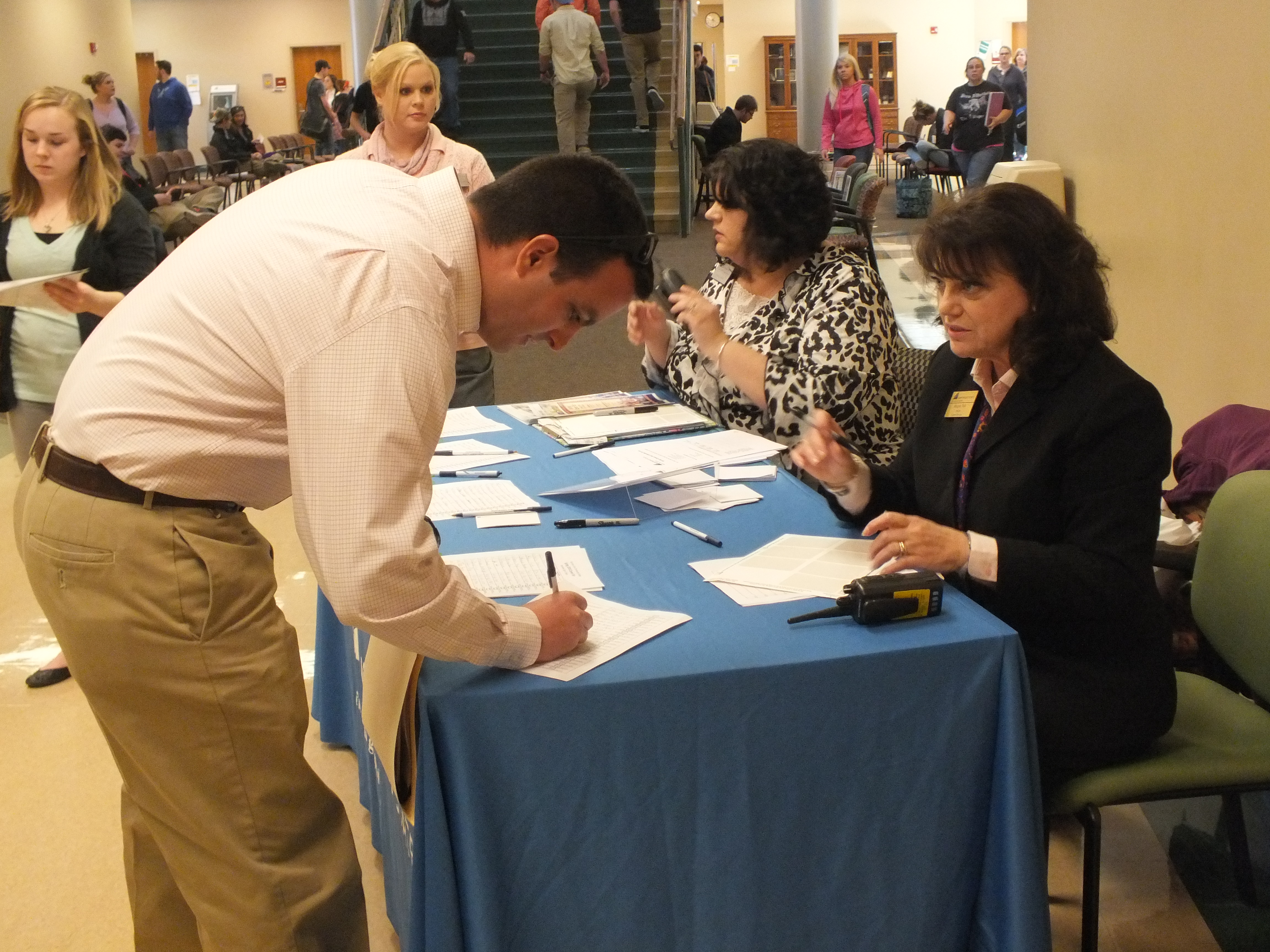
You know, I was talking to one of the advisors earlier today and she was like talking about the number of students she'd already registered, you know, and it looks like, you know, we're going to have a record spring enrollment. So, you know, or that's the feeling on campus. So, you know, so. But that's part of the offerings. But that's also part of the culture, you know, that we're providing this opportunity for this one on one advisement.
And that goes back. One of my earliest memories is the way we used to register students. Because when I first started working here, Registration, the library was the third floor of the Pierce Building, where the administrative offices are now.
And it was one big open area with some few offices, their shelves, shelves of books, library tables. And we would have open registration up there. The faculty would come up, set at tables, work a student's schedule out with the student. It would be on paper. Then they would take that paper to a computer, one person would type it in and register them.
So that's how registration operated in 1989. But as part of that process, you would have a line of students from the third floor backed out from the third floor, down the stairway and out through the atrium, and sometimes even down the hall of the classroom building, you would have a line of students waiting to register.
So what we would do, we would take trays of cookie, lemonade, and coffee, and we would just, like, walk up and down the lines and offer cookies and coffee and lemonade for the best
[00:30:37] Speaker A: line you'll ever stand in while they were waiting. Yep.
[00:30:40] Speaker B: Wow. Yeah, because we were so great. I mean, think about it. We were so grateful that the students were here to register. They were willing to wait in that line, you know, to register. And so, you know, cookies and lemonade and coffee, you know, and we would, you know, we would have staff, you know, they would be in the little kitchenette that used to be in the the hallway there.
Down where admissions is now.
[00:31:04] Speaker C: Yep.
[00:31:05] Speaker B: Yeah, there was a little kitchenette in there because the president's office was there, public information was there, admissions was there.
But that little kitchenette was like the main station. So we would have these, like, silver coffee urns, you know, and we would be making coffee in those and. And all that stuff. And those urns are still on campus somewhere. You know, I've been told. I mean, we use those in the, you know, for everything.
Because, you know, they were the big urns that you just, you know, did. The little spigot.
[00:31:35] Speaker A: Yeah.
[00:31:36] Speaker B: You know, the coffee came out, you remember? I mean, it was this. Yeah. And they're still somewhere.
[00:31:40] Speaker A: I said they're the diner. Right. Like that they use like.
[00:31:43] Speaker B: Well, more like a formal occasion. They were. We used them for everything. I mean, every time we had, like, you know, receptions, everything. Yeah. We would have you know, percolate. They were percolators.
[00:31:53] Speaker A: Yeah.
[00:31:53] Speaker B: If you can believe.
Yeah. But I said those should be my archives somewhere in the museum because they. They saw a lot of action back in the day. Back. Back when we did that. But yeah, and we would have like a. We would have like a Christmas concert in the small auditorium and there would be a faculty staff choir.
And they would like wear these red kind of paper vests. I think this was even before your time. Yeah, yeah. So they would wear these red paper vests and sometimes they would, you know, the heat or the bot. The sweat and everything. So, like, they'd take them off and their shirts would be. The red, you know, would have run through on their shirts and stuff. I mean. Yeah, I mean, it's just. Yeah, those. Those memories. We'd have a talent show, you know, and I got. I was lucky to emcee the talent show a few Times. We had Ms. Northeast State, which, you know, we had that competition for six years.
Two early on.
Yes. A lot of the different clubs have, you know, evolved over the years to meet student needs or different focuses. So, you know, we had an adult honor society at one time.
You know, not only Phi Theta Kappa, but we had some specialized organizations too. You know, we Toastmasters are still here. This argumentation debate.
A lot of the clubs, I think there used to be a board game organization.
[00:33:35] Speaker C: There was shortly.
But esports now is taking.
[00:33:38] Speaker B: Esports. Yeah, Esports. Yeah.
[00:33:40] Speaker C: With us, our teams.
[00:33:41] Speaker B: Yeah. And if you think about it, that esports program, you know, it's relatively young. You've got you, You. It's been in existence now that you've got alumni, you know, students that are graduating from it. You know what. You know, that group right there, they have a built in affinity. Not only is it academic, but it's.
It's athletic. You know, it's an. It's a sports program. So their affinity, their. Their relationship to the college is so strong, you know, and that should be. That should be a group that, you know, that we.
Alumni association that, you know, we are really cultivating because they are so strong in that affinity right now, you know, compared and also looking at, you know, like the five, the Phi Theta Kappa membership, the former Student Ambassadors or the Student Navigators or the Scholars foundation members, you know, in the academic programs like Skills usa, you know, all of those, you know, those types of academic programs, they are building, you know, affinity, loyalty, you know, trust between the students and the institution.
[00:34:52] Speaker A: Wow. It's kind of. It's been really neat just listening, like about how, you know, some things, yes, have changed, but how some things have kind of stayed the same too. That's awesome.
[00:35:02] Speaker B: Yeah. I think, you know, now you're looking at. Using social media has a way to maintain those connections, those affinities, you know, you know, running drawings or running, you know, programs or even, like, you know, voting now when we do because of youf Campaign and you vote online or you do the silent auctions online. So, you know, the technology has changed. You know, how some of the processes of the programs work, but not the intent of the. Of the programs really. You know, sometimes it's better.
You know, it makes it easier. You know, sometimes you have to say, okay, if we're going to run this online or, or it's going to be a virtual based, you know, activity, then, you know, what are we losing from? You know, what do we have to compensate not having it face to face? You know, what are the. What are the benefits? The op. You know, the, the. The opportunity costs of doing it a different way. But you make those adjustments on the front end or you. And you learn, you evaluate, you know, so, yeah, I mean, I think one of the popular. One of the most popular events that we have is still the chili Cook off.
[00:36:13] Speaker C: Oh, yeah. Dozens of entries every year.
[00:36:15] Speaker B: Yeah, yeah, yeah, yeah. It makes it fun. And that's not something you're going to do virtually, you know. No, you can't make sure. Yeah, you can't do that. Yeah.
[00:36:26] Speaker A: What was that? I can't make chili.
[00:36:27] Speaker C: I can't make chili.
[00:36:28] Speaker A: Darn right.
[00:36:29] Speaker C: Oh, the recipe, maybe, but yeah, that's a human.
[00:36:31] Speaker A: Leave that to the humans.
[00:36:32] Speaker B: Yeah, but, yeah, but you know, you got to make your chili with love. You know, that's one of the. That's a secret ingredient all the time. You make it with love.
[00:36:40] Speaker A: So it's not. It's not spice.
[00:36:41] Speaker B: It's not spice. Not spice. Okay.
And, you know, I would really, you know, I would think so many of the retirees from Northeast or the people. I mean, I think we have that, you know, we have such a common experience, you know, because we. We worked.
We worked here obviously, a long time. Long enough to retire. You know, we saw the changes.
You know, we're amazed at what we see now. This building, the technology, you know, building.
I mean, you know, and I just listened to your.
Your episode about our cam and the Kingsport Academic Village, you know, and I Learned about our cam and co. You know, 22,000ft expansion. I mean, really, I mean, you know, that's, I mean, if you, if you, you know, that whole. At Kingsport Academic Village, you know, is nothing but one huge affinity program for all of those students that, that have had experience down there for Kingsport. Same with Elizabethton, you know, and this, you know, same with Gray, you know, and our previous off campus sites, you know, those, those were, you know, because we had students in Bristol, Johnson City, that, that was their main focus of Northeast State was going to those classes, you know, and so we've got to think about them when we talk about alumni programming or when we talk about, you know, what was your experience about like with Northeast State? Well, you know, I went to the Johnson City campus. Well, are we going to be, you know, our current staff going to be able to talk knowledgeably about the Johnson City campus or simply. Well, tell me about that experience. Experience, you know, what, what did you do at the Johnson City campus? You know, I'm not, I wasn't, I wasn't employed by the college when we had a Johnson City campus, but I want to learn about the Johnson City campus, you know, so it's just those little things, you know, to help, helps to, you know, help not only current students, but alumni maintain their connections with, with the college that we can do.
[00:38:38] Speaker A: So many different stories, so many different experiences. You've already brought up a lot of memories and, you know, that you seem fond of and you know, that still, still make you laugh. But which memory is your favorite of all, like from Northeast State?
[00:38:52] Speaker B: Well, I've got, I've got a few, but one I want to share, I think Tom and I share because when do you remember the sign out front before we had the very beautiful electronic sign, we had the great big tall Northeast State sign that you had to go out with a pole with a suction cup on the end of it and put the letters up on the sign.
[00:39:17] Speaker C: I was not here for that.
[00:39:18] Speaker B: You were not here?
[00:39:18] Speaker C: I don't think I was.
[00:39:19] Speaker B: You never did the sign.
[00:39:21] Speaker C: I was like, I came in 20 2005.
[00:39:25] Speaker B: Okay.
[00:39:25] Speaker C: I was, I don't think I did that.
[00:39:28] Speaker B: Okay. Yeah, so it was one of the old signs, but it was very tall, you know, it was like a sign that you see from the interstate, you know, that type of tall sign.
And instead of an electronic board, it had the board where you had the long extension pole and it had a suction cup on it. And he would suction the letter tile and then you would put the tile up on.
He would put the letter, letter by letter.
[00:39:54] Speaker C: Like pal. Like pals.
[00:39:55] Speaker B: Yeah.
[00:39:56] Speaker A: I used to do the Pals, but we had a ladder.
[00:39:59] Speaker B: No, we had a pole with a suction cup. Yeah. And it got. It was like, okay, because if we had an event or something, you know, you would have to go out and change it to. For the dates or whatever. Anything like that. And it was like, who's going to go out and change that sign right now? You know, Draw stick. Yeah. Because sometimes you had to do it in bad weather, you know, and so we got to the point where, well, you know, this. Let's student worker or
[00:40:32] Speaker C: draft some people into service.
[00:40:34] Speaker B: Yeah, yeah. Or some of the.
Some of the student leaders, you know, hey, would you mind going out and changing the sign for us? But, yeah, but I, you know, the times that I, you know that you would get the letter almost up into the little slots and the wind would catch it and it would blow the letters off and all this stuff.
Yes. I'm sure. Maybe you might ask Bob about that sign. I will, definitely. Yeah. Because that was.
[00:41:00] Speaker A: I'm sure he had fun with it.
[00:41:01] Speaker B: Yeah, that was.
Oh, my gosh. But I laugh about it now thinking about, you know, but that was our way of communicating, you know, that. For that front line.
[00:41:11] Speaker C: Yeah.
[00:41:12] Speaker B: Signage now.
And now you all, you know, you're updating it in the nice little heated offices and not having to worry about.
About the wind and those letter tiles and all that good stuff. But. Yeah, so. So that's a. That's a funny memory I laugh about, especially when I see a student that did it, you know, that helped us out and did it. You know, we talk about, you know, remember you had to go out and change those. The marquee out there.
[00:41:36] Speaker A: Solidarity.
[00:41:37] Speaker B: Yeah. Yeah. So that's a. That's a good memory. You know, the other, you know, I think of a lot about honors convocation, you know, and when the students were honored and, you know, and.
And maybe not so much their reaction, but their family and their parents when they saw their, you know, their children or spouses honored, you know, in that way.
[00:42:01] Speaker C: So.
[00:42:01] Speaker B: Yeah. And, you know, I was lucky enough to. For many years, I was in the, you know, I was kind of on the ground kind of stage managing it. But then toward the end, I had the pleasure of being on the stage, you know, and handing out the awards after they were called and stuff like that. So, I mean, it's just, you know, that, you know. Yeah.
[00:42:21] Speaker A: Yeah.
[00:42:22] Speaker B: Because you see the.
That is an immediate.
Oh, goodness, I'm sorry, but it's hard to get out. But it's just, to me, you see the immediate impact, you know, on the students and their families, you know.
[00:42:41] Speaker A: Yeah.
[00:42:41] Speaker B: With that. And you hear about it and the stories they tell afterwards, you know, so the pride involved. The pride involved. Yeah, yeah, yeah. And graduation, of course. I mean, the. The graduation, you know, and seeing them graduate and. And hearing their families yell, their supporters yell, or, Or. Or the, the horns that go off and all that good stuff, you know, but then seeing them come down and sometimes seeing the faculty and actually stand up and leave their seats to go over, to shake their hands while they're walking along there.
Yeah. So, you know, just.
I don't know. And you think about it. The honors convocation and graduation, those were the two big events that were actually. That are actually programmed to.
To celebrate the students in a structured way to say, you did good, you know, and we were proud of you.
[00:43:47] Speaker A: Yeah.
[00:43:48] Speaker B: And we want to show you off.
And so I would always kind of get riled up when people would. When students would tell me they weren't going to walk in graduate. I'd be like, why not fuss? You know, this is, like I said, it's, you know, it's going to be, what, maybe two hours of your life? But I said, you.
You got to think. This is the chance for your family and your friends and the people who love you to support you.
You need to walk.
It may not mean much now, but it will mean something in the future when you get to tell your kids about your graduations that you walked and how it made you feel when people, you know, applauded for you or you got that diploma, you know, or your faculty member came out of the row to shake your hand.
[00:44:39] Speaker A: Yeah. It's a. It's a culmination of so many different things. Struggles, but, you know, also triumph in the end.
[00:44:46] Speaker B: Yeah.
[00:44:46] Speaker A: When it all comes down to it.
[00:44:47] Speaker B: And so that's why graduations are so important.
[00:44:50] Speaker A: Yeah.
[00:44:50] Speaker B: You know, and so those are great memories. You know, I got to count students in the rows. That was one. We. We had the graduation police, as we called them, really, where we helped march them in, you know, and then we had to count, make sure that they filled up the rows, you know, and we had to, like, you know, if they were, like, you know, doing the beach balls, we had to take the beach balls away from them and just do things. Or sometimes they. We would have, you know, like, students that needed to go to the restroom, and we'd have to kind of. Okay, make sure they came back or whatever.
Sometimes we had students who became ill and we would have to get them out of the row and, you know, and all that. I mean, it was just. Yeah. So it was a lot of. A lot of memories about.
It was a lot of work, a lot of stress, but it was so worth it to see the outcome.
[00:45:43] Speaker A: You know, I always tell a lot of my colleagues, I'm just like, it's not hard getting good video at graduation. You've got. Because it's all so real. It's like all these reactions. These are like real time. The hugs, the tears, the just, Just. Just the pride involved in that. The.
[00:45:58] Speaker B: The celebration and, you know, and before. Because now you're having graduation on campus, you know, and before we would have to have it off campus.
[00:46:06] Speaker A: Oh, yeah.
[00:46:07] Speaker B: So my first few years here, graduation was at the old Kingsport Civic Auditorium down by Dobbins Bennett High School.
[00:46:14] Speaker A: Oh, wow.
[00:46:14] Speaker B: Yeah. And then we moved. We moved up. We moved to King University or no, I'm sorry, Tennessee High. We moved to 10. The gym or athletic facility at Tennessee High there and did it there, and then we moved to Freedom hall for a while and did it at Freedom hall in Johnson City, and then we did it at the mini dome at etsu. So. Yeah. So after I retired is when you went. The institution went back to having two graduations per year, because we did one for many most. We started out doing fall and spring when I first worked here, and then we moved to one graduation per year.
[00:46:57] Speaker A: So students get to graduate, I guess ahead of time.
[00:47:00] Speaker B: They would officially graduate, but they would wait to walk.
[00:47:03] Speaker A: Okay.
[00:47:03] Speaker B: Yeah. And that kind of prohibit, you know, that was kind of a bummer for some of them that they could, you know, they already got their degree and then they had to come back and walk, you know, so I understand that. But having two graduations, you know, the. There should not be excuse for anyone not to walk at graduation, you know, and cross that stage or get their diploma in front of. In front of their families and friends and supporters. So that. Yeah, so. So that's a wonderful addition that you have it here on campus. Yeah.
[00:47:35] Speaker A: And so many different ceremonies, too, now. I mean, we're doing it by division, so it's like more of an intimate. I think, like families get the chance to.
[00:47:44] Speaker B: Yeah.
[00:47:45] Speaker A: Spend a little bit more time here, you know.
[00:47:47] Speaker B: Yeah.
[00:47:47] Speaker A: Between ceremonies.
[00:47:48] Speaker B: And, you know, those are the things that you want to take into consideration has, you know, facilities or technology, you know, and, you know, and we, you know, of course, we went through the COVID where, you know, where the grudge Ceremonies were virtual and, and all that. And we saw how that. And some of the high school, you know, and now high schools are live streaming them. Colleges are live streaming the ceremonies. We've live streamed in the past. Yeah. And so that's just an added function, but you really need, you know, but is that, that's. You can see how a live ceremony and a live streamed ceremony, they support each other. They don't replace each other. You know, that, that live stream isn't gonna, you know, it doesn't. It should never replace the. The being able to go and see the person interact with your fellow graduates and having that, that experience.
And so when we're programming all these traditions and these activities, you know, that's. That's part of what we need to think about, you know, and I've said that before, you know, there's an opportunity cost to innovation. And I actually graduated. So I am an official alumni of Northeast State. I graduated in 2007, and that was about the time that I was asked to work with the Alumni association and.
And I moved to Institutional advance or institutional advancement in 2006.
And so, you know, and I had taken classes off and on, but I felt like if I was going to be a productive alumni administrator, then I should have this same credential that of the populations that I was trying to attract. And so I transferred all my classes from ETSU, finished up 24 hours of additional classes here.
And so I graduated with a general studies and a general technology associate degrees. And so I have those too. And so my favorite memory really is sitting in the front row of the mini dome at Northeast State's graduation in 2007. I was on the front row with all the university parallel graduates. I was in my cap and gown. I had my Alpha Sigma Lambda sash, which was the Adult Learner Honor Society. I had my honors medallion, had my cap on. And I was sitting there right on that front row with, you know, with my fellow students. Yeah, the students that I had, some of the students I had helped and everything. And that was just a great moment for me to walk across the Northeast State stage, you know, and hear those shouts and people applauding me and going back into that row and just that whole experience that I was experiencing, what our graduates experienced, you know, so. Yeah, so that. So that's probably my favorite memory of my time at Northeast was that.
[00:50:44] Speaker C: Wow, there's a famous photo of that of you surrounded by graduates. Yeah, it's like taken from up kind of high. I'm not sure who took it But a tremendous photo. You just got to see the joy in everybody's face.
[00:50:57] Speaker B: Yeah.
[00:50:58] Speaker A: Where's that photo? I want to take a look at it.
[00:51:00] Speaker C: I'll find it.
[00:51:00] Speaker A: Oh, I'll send it to you.
[00:51:02] Speaker B: Well, I've actually have a copy of it on my phone, so I'll show you after that. Yeah, yeah. So, Yeah, I mean, that's, that's how much it means to me. I've carried. I carry that photo. Yeah, yeah, yeah.
[00:51:13] Speaker C: What's the importance of kind of leveraging what students already interest. Are interested in or what they're doing or what their real skills at into, especially in the area of social media? Because when you put esports out there on social media and you start kicking off the games like Valorant, Call of Duty, Rocket League, you start getting attention because these are very, very popular and our esports teams are really, really good. There's some excellent players over there. How, how you kind of leverage what the students interests already are to, to make that kind of reflective of the university. Like, hey, look at the, look at how talented these people are.
[00:51:50] Speaker B: Yeah, well, I think it comes, I think it comes kind of with the realization of what, of how they're getting their primary information, the sources and the, the platforms.
Because, you know, we've always, like when you work in communications, you know, the, you know, we've seen the trend where, you know, everything used to be brochure, poster, brochure, poster. How many brochures and posters, Tom, have we done?
I mean, I mean, yeah, everything needed a brochure, everything needed a poster.
But then suddenly here comes email, you know, and everybody was focused on email, you know, they weren't paying attention to what was on the bulletin boards anymore or what, or the brochures, you know, you know, we run all these brochures, all these copies of flyers and everything, and we have them to hand out. And now they come up to the table and they just, they won't, they don't take them. All they do is point their phone and take a photo of it.
[00:52:46] Speaker C: The QR code is king.
[00:52:47] Speaker B: The QR code. Yes, exactly. And you know, and so then of course, we've seen the same thing. Now emails are not as effective, you know, because they want that immediate. You know, they don't, you know, they can get the notification through their different platforms. You know, they want photos, they want text, you know, they abbreviated information.
And so that's changing how, you know, a few years ago, you know, we started texting students with important dates through admissions and all of that. And they continue to do that. The platform, I believe, has changed, but they're still texting students important information.
And so, you know, so, so you got to think, okay, so how, how, you know, how do we encourage students to participate? Well, first we've got to communicate with them and let them know in a way they appreciate, you know, reach them. We have to reach them also. You can just like look at, you know, look at some of the platforms that they're using and you can see what their interests are. You know, it's that short, short form dance. It's, you know, being able to do recipes, being able to, to play music now and doing all of this stuff. So are we providing access, you know, are we providing access for our students to do that in a safe, structured environment?
Are we teaching the, you know, using social media, you know, in a safe, structured way, you know, two, are we teaching people, you know, who are over 60, like someone in this room, who are, who, you know, the, the best way for them to use or access social media to, you know, and sometimes, you know, that and just like, you know, when we would always talk about teaching non traditional students how to use mock the Microsoft Suite, you know, or, or even, you know, computers, you know, and you, you would still, I think you would still find, you know, that is necessary as well. And then in advance, I mean, I remember trying to register or talk to a student who needed online, you know, she needed online classes and they're just, you know, but she thought that being online that she could do everything just on her phone, you know, that was her primary source of communication, learning. Everything was going to be her phone, you know, and you, you know, so is it now can we, you know, can you complete an online class simply by using your phone?
[00:55:35] Speaker A: It's a good question too. I mean, in the age of accessibility, we're wanting to make things accessible via mobile, but gosh, I couldn't imagine how difficult it would be just to see, like if you're writing a paper too. I know they have apps for it,
[00:55:48] Speaker B: but, you know, but now you've got, you've got the towel, you know, some of the, you know, of course tablets and everything. So this, you know, the technology, you know, you've got to think about the class offerings. And again, just like I used to tell students, I said, when you talk about, when you look at what you want to be active in, like your student activities, your leadership positions, you really, you need to program or schedule those out. Just like you do your classes, you know, you don't have to be in everything all at all at once. You know, you can. You can be in. You can be in student government one semester or one year, and then you could move on to being active in Phi Theta Kappa or the Scholars Foundation. You know, you do not have to, like, stack your.
Your organizations to such an extent that you will find it difficult to balance everything, you know, so, yeah, and I said, you've got to think of, you know, and if we can do some activities where they don't, they can zoom in or they can be online, they can do it virtually. Well, that's fantastic. You know, but so we got to think about how we program that as well. And that goes for the alumni. We got to think about how we outreach to alumni. You know, some things will be traditional, like, you know, print video, you know, Facebook.
If you think about Facebook being a traditional format.
[00:57:18] Speaker A: Now, you talk about reaching alumni with 60 years. That means 60 years of alumni, really. So in saying that, I know that you had mentioned you. You started northeast state in 89, so that would have been around, what, seven years before the 30th.
[00:57:35] Speaker B: Yeah.
[00:57:35] Speaker A: Does it feel real that it's been like 30 to 6, like just a time jump?
[00:57:41] Speaker B: Just like. Well, I will tell you now. The 30th. Yeah. Because, you know, actually, you think about it, we, you know, we were founded in. In 1966. Right. But the concept of having a regional vocational.
Vocational technical school that started in the early 60s, and there was a lot of work to be done. And so our first president actually was hired in 65, James Pierce. And he actually oversaw the construction, the programming, everything to get Tri City State Vocational Technical School off the ground.
And so I always think that's funny when, say we say we're found in 66, but our first president started in 65, and that's the reason he really saw it going.
And so then we started awarding associate degrees in 1978.
They were associate of Engineering Technology degrees.
So in our technical programs, those were the first associate degrees that we awarded in 78. And we became Tri City State Technical Institute.
Okay. And then in 1990, we.
Our liberal arts programs, our transfer programs, they were, you know, they were finally approved for transfer. And so we added that component university parallel, and we became Northeast State Technical Community College. And then in 2009, the tech. The state rebranded all of the technical community colleges to just community colleges. So we became Northeast State Community College. You know, so we've got, in those 60 years, you know, we've got students who attended this institution under different names. With different programs. Their degrees are different. Different. You know, until 78, they were getting certif certificates, you know, diplomas and certificates. And then in 78, we started associate degrees, you know, and now that degree, you know, that was phased out for Associate of Applied science degrees and then associate of Science and then associate of Arts, you know, so. So you've got students and alumni who. They have different.
They have different experiences in the academic area, you know, but again, that import, you know, the way that Northeast State has helped them hasn't changed, you know, and so that is.
So that's where the challenge, I think, when you look at alumni programming is. We've got people that have such a. So many of our alumni have divergent experiences, you know, in names, in careers, in degrees.
So what. You know, so we've got to look at getting to the heart of what made their experience here matter, and that's their successes. That's how they were treated. That was their support they received while they were here.
So I think if we connect with that, then we can have a strong alumni response for, you know, any of the 60th anniversary celebrations. And I do encourage any of the listeners who have degrees from any of our, you know, different names from 1966 up until, you know, 2025 to contact our alumni office, make sure that they're on the list to receive information from our alumni director.
And I just happen to have his information written down so that I can hear it. And now. But, yeah, so Josh Johnson, he serves. Has our alumni engagement and donor relations assistant director, and he's actually a 2012 graduate of Northeast State. He was actually my student worker in our division. Yeah, yeah. His mom is also a graduate, and she was one of my student ambassadors when she was a student here. Yeah. So he has many connections, and so that's what makes him a great candidate, a great alumni director. But, yeah, so you can contact Josh by phone at 423-354-5359 or by email at jajohnson j a j O H N S o N at NortheastState Eduardo for.
[01:02:11] Speaker A: I realized his mother was a. Like, that's. That's awesome. We had him just. We had him on the show earlier this year for. Because of you. Because Josh is. He spearheads that.
[01:02:21] Speaker B: And yeah, his brothers was also a graduate. Yeah, his late brother graduated. So, yeah, his nephews, his. His brother's children, they have both graduated from Northeast State. Yeah, yeah. So we have those family legacies, you know. Yeah. Yeah. And I think. And that also goes to show that an entire, you know, you know, three generations of one family have come to this college, you know, to help them obtain an education, better their lives, you know, and. Yeah, so, I mean, what better, what better testimony to the impact to the power of Northeast State than recognizing that we've got multi generations of families utilizing, you know, our services?
[01:03:08] Speaker A: They keep coming back.
[01:03:09] Speaker B: Yeah, there's a reason.
Yeah. Yeah, it is. And I will say one of the things I always talk about, you know, in. When I, when I work with students about leadership is I always quote Barbara Jordan, who is, was a Congress member, member of Congress in the 1970s. She was from Texas, and she is considered one of the great orators of the 20th century. So, so if you're not familiar with Barbara Jordan, you know, check her out on, on YouTube and about some of her history. But she once said in the early 70s, when America was kind of going through a hard time, we had the, you know, we had the gas shortage and we had some, you know, social unrest and all like that. And she basically, I'm going to paraphrase, but she basically said America is, you know, they really only want an America as good as its promise.
You know, and I feel that that.
And that has always resonated with me. And I always thought, you know, that's really what Northeast State is doing. You know, our community, you know, not only our five county service area, but also the entire northeast, southwest, northeast Tennessee, southwest Virginia area, you know, they want a community college as good as its promise.
And we have really been providing and helping students achieve the promises that they make to their parents, their children, their spouses, their employers, their churches, their community organizations. We have been helping them keep their promise since 1966.
You know, and, and that's what makes so special. You know, that's what makes Northeast State. You know, I think our value, our goals were to be the premier community college. And I think we're there. I think we're getting there. You know, we have made that happen. And, and, yeah, and so, you know, I, I just think that, you know, we, we, we follow through, you know, and that's what, that's kind of what Barbara Jordan was talking about. You know, you make a commitment, you follow through, you make it happen. And Northeast State does that.
[01:05:27] Speaker A: And in keeping that promise, you know, making connections through our alumni, what are other things that the college can do? What are some things we can do as a team to keep that promise going, to keep it. The truth.
[01:05:40] Speaker B: Yeah. Well, we are currently rebuilding the alumni association, and so we have a 20 member alumni council that is working.
It has Northeast State alumni employees. It also has some ex officio members. And we are in the building rebuilding stage the Alumni Association.
Unfortunately, due to some budget constraints and due to just time and, you know, programming issues, we kind of let that go in 2007. And so now we're rebuilding it back with the new Alumni Council. And so we are charged with establish establishing the alumni association, not. Not has an extension of a student organization, but has an auxiliary program of the college, kind of in the sense of like the. The foundation, you know. Okay, so we are going in, having, you know, so we are developing, you know, the alumni council and we will hopefully be getting, you know, the word out so that alumni can join or feel, you know, it's free to join the alumni Association. And then we are looking at providing means to identify people who can serve on the council, who can bring in different perspectives, you know, who can represent not only employees of the alumni employees, but also alumni who are out in the community.
And so we just met this morning.
We have a monthly meeting.
And so we have devised three committees and we've got chairs for each of those committees to work on.
Alumni recognition and visibility is one committee, engagement is one committee. And then philanthropic goals is the third committee.
And so they will be kind of laying the groundwork. They will be kind of researching other alumni associations to see how those initiatives factor in.
And we'll be coming up with a more extensive bylaws, constitution. And so we hope to have all that in place by July, so by the next academic year on that. But in the meantime, we will be outreaching to the community, trying to get the alumni to. There's an alumni survey link that is now available that Josh can send alumni that they can go in and fill out their contact information for us. And we just did Alumni at the cinema and we saw Wicked for Good at the Marquis Cinemas. You know, we had 80 registrants from. We had 100 tickets available and we had 100 registrants to do that. So that was great. So we're doing, we're promoting the license plates, the Northeast state license plates that, you know, just like the ETSU license plates or the other universities. So we. So that's out there that there's a website for that that Josh can give you the information. And of course, the foundation has graciously agreed to pick up the initial fee for that. So. Yeah, and so the production fee is covered and it would just be the yearly renewal fee, you know, and we've got to Get a thousand. We got to get a thousand orders for that for the state to do production. So, yeah, so we're working on that as well.
[01:09:21] Speaker A: That'll be Northeast State Edu Plate, but yeah. So what are the benefits of being involved in an alumni community?
[01:09:29] Speaker B: Well, that's. Well, that you. Again, it's reestablishing connections that you may have thought you lost, you know, as the years have gone on. It's also getting to understand what the college offers now, you know, with that. It's also, of course, you know, being able to participate in, like, alumni at the. At the cinema, you know, where, you know, we're providing these opportunities to. That. It's, you know, we may be providing volunteer opportunities that they can volunteer at campus events or when we have community action initiatives, you know, like the. The fundraisers or the food drives and things like that, you know, to participate, it may be, you know, networking for their careers, you know, with fellow alumni.
It may be a sense in getting them back to further their education.
You know, it may be a way that they're networking for their children.
You know, we have, you know, a multitude of scholarship opportunities. You know, that's another thing that's changed greatly in the, you know, since I started here was the amount of financial aid opportunities that. That not only the Tennessee Promise, you know, and the Tennessee Hope Scholarship for, you know, basically free tuition for. For community college students, but also just the. The foundation. The number of foundation scholarships that can provide those supplemental funds.
[01:11:00] Speaker A: Yeah.
[01:11:00] Speaker B: You know, on top of those state and federal monies. So. Yeah, so there's. There's just, you know, and also just having a. I think the great thing about the alumni events is that.
And I experienced this at the alumni. The cinema was, you know, I saw, you know, there was like six of my former student ambassadors that came to that, and some I have not seen years, you know, and there were some that were actually served together that had not seen each other in 20 years.
And so they reconnected after the event, and we stood there for almost an hour after the event was over and just laughed and talked about the memories, you know, and. Yeah, and all of that. So it's those types of benefits, you know. Yeah. And I would say, you know, you got to think the reason you. The reason. Student success.
And it's not really, you know, it's not so much about the extrinsic. Extrinsic. I can't even say it's about the intrinsic benefits, you know, so about that, you know, and so you're programming Those intrinsic benefits.
You've got to think about those, you know, goodwill, just getting people together, creating laughter.
Laughter is the best way to create common experience.
[01:12:27] Speaker A: Yes. And the college also has. I want to, you know, plug in Chris Demas. The library.
[01:12:33] Speaker B: Yeah.
[01:12:33] Speaker A: I mean, that's an amazing resource. You don't have to be a Northeast State student to.
[01:12:37] Speaker B: No, no, no. But also just think about. Just think about all the, you know, just think about all the stuff that happened in the library, all the events, all the study time, you know, all the help that the staff gives us students on their research or providing, you know, access to materials, you know, that builds a great bit of affinity, you know, and, you know, and it would be interesting to see, you know, if any of our alumni, you know, actually went in to library science or work in libraries outside of the. Of the institution to see what their experience was, if that propelled. If their experience at our library propelled them into
[01:13:22] Speaker A: that's very.
[01:13:23] Speaker B: Career there.
[01:13:24] Speaker A: That's a good idea there.
[01:13:25] Speaker B: And you could. And you could really do that. You could even like all of our student workers, you know, how many student workers in student affairs went on to careers in student success. Student affairs. How many admission. How many financial aid student workers went into financial aid career. I mean, you could look at that as well as, you know, how many of our graduates are employed in their fields.
How many of our graduates are working in fields that they had affinity with this because they were student workers or student organizations.
[01:13:58] Speaker A: They associate it with Northeast State. They want to give back the way they receive that help here.
[01:14:04] Speaker B: So there's so many ways to look at it.
And I will say one of the trends that used to really, really bug me was when was our involved students, student leaders that would graduate and then they would start their careers and they would be on LinkedIn or whatever, and they would mention their bachelor, they would mention their bachelor's institution and their master's or doctorate institutions. They would leave off Northeast State and they would have nothing but great things to say about Northeast State if I interacted with them personally and all that stuff. But for some reason, you know, they. They were thinking that. That, you know, the associate degree was the least valuable of. Of their degrees.
And, you know, I think there's been a shift in that. You know, I think more people are coming up. You know, I think Stephanie, Dr. Barham mentioned that a lot of alumni come up to her and say, hey, I have a degree from Northeast. A. You know, I think more people now that they've seen the impact of Northeast, especially in in the CTE areas, the technical areas, workforce development areas, I think they're coming around.
And you know, that having that, an associate degree from a community college, you know, people care about that now. And, you know, and the goal is for us to provide ways that people can say, hey, I have a degree from Northeast, you know, and be proud of that. That is what, you know, they need to be proud of that. I mean, we were, we've been the foundation for so many students. And so and I think a lot of it is when, you know, maybe when they're at other institutions or their mentors at their job saying, oh, people don't care about the associate degree, you can leave that off. And I've actually had an alumni tell me that his mentor at his current job, when he was like reworking his resume and everything, told him to leave Northeast State off his resume, but because it was a community college. Wow.
[01:16:07] Speaker A: I wonder, you know, that stigma is not, you know, that's not new to me. I've, like, I've heard of it, but like you, I can kind of see where that's changing. But, you know, just because that stigma was attached, it doesn't, it doesn't speak to the quality that you're receiving here.
[01:16:23] Speaker B: No.
[01:16:24] Speaker A: Yeah, well, it doesn't speak at all to it.
[01:16:26] Speaker B: Well, it speaks to misperceptions.
[01:16:28] Speaker A: Exactly.
[01:16:28] Speaker B: And it speaks to the, you know.
Well, it speaks to an outdated perception that, you know, we, we're. That. Community colleges. Yes. Because we're a transitional school. That. Or because, you know, people view us as, you know, just a two year extension of high school because how many years did we live with Airport U, you know, and how that, that term, you know, that knowledge, I mean, it was. Yeah. So, you know, so, so, yeah. But again, what Northeast State has done, you know, in 60 years and what we have meant to the community, what we're continuing to do that is changing that perception, you know, but we also have to make it easy for our alumni, for our current students to say, hey, I'm going to get a degree from Northeast State. I'm proud to have a degree from Northeast State. You know, and how do you, you know, we, in a sense, we need to educate them on how to make sure it's included in their resumes, it's included in their curriculum vitas. It's, you know, they need to be putting their research projects on their resumes. They need to be putting the community service they do do for Tennessee Promise on, you know, at Northeast State. That needs to be a resume factor. Or, you know, all of that is good experience, you know, that they need to be proud of. And I always say, you know, this is what a community college we are set up.
They can use the skills and the knowledge they're gaining in the class. They can walk out of that classroom, go to a student government or class meeting. You know, they can go to a Phi Theta Kappa meeting. They can go to a argumentation and debate meeting. They can, they can go to their on the job, student worker job. You know, they can use the skills they learn in the classroom immediately. They can practice it in a safe, secure environment, you know, and that may not be the case at a four year, you know, and that may not be the case at other community colleges, but it has always been the case here at Northeast State.
[01:18:39] Speaker A: Yeah. And also I think including it kind of shows a bit of intelligence. As someone, myself, I didn't attend Northeast Day. I went straight to university.
I was overwhelmed. I was not ready. Looking back in retrospect, I was lucky to have graduated with my undergrad.
But I look back and I think it would have been a much smarter decision to come to this school for the, of course, the transition aspect of, provided more of a transition for when I wanted to eventually move on to a university. But then also the financial, the financial aid.
We've got Tennessee Reconnect, we've got promise. We've got so many different federally funded scholarships on top of the Northeast State Foundation. Were you at the Scholars reception and Christy Deskins was speaking on it. Just her amazing story about how these aren't just for books or classes like that. This is to allow me to focus on my studies. Like these scholarships are so much more beyond what you would originally think. So coming to Northeast State, it's a kind of smart move if you really think about it.
[01:19:46] Speaker B: Yeah, but, and, but then you think, you know, and that's just, that's again because of the culture we have here. You know, we are welcoming those non traditional students, you know, alongside, you know, high school. Recent high school graduates, sometimes dual enrolled students while they're still in high school school, you know, homeschool students who are taking advantage of our dual enrollment program. You know, we've got what, what is the term now? Middle college that is going on. Yeah, yeah, yeah.
With the, at the RCAM or the Kingsborough Academic Village, they get their associate's degree.
[01:20:21] Speaker A: Yes, associate degree before graduating high school.
[01:20:23] Speaker B: So you can see that the, the range of age. I mean, we've also, you know, we've got the, you know, we've got the state programs where if you're over 60, you get a discounted tuition, you get a discounted rate if you're 64, you know, we've got there. That's their free classes, right? One free class. Or how there's some, there's. There, yeah, there's, there's those programs too. Yeah. So, you know. Yeah, so there's all. Yeah, so we've got all these entry points, you know, and we've got different populations coming in a lot to the, to the campus and you look. And of course that is a challenge to make, you know, make the student life programming, to make the alumni programming, you know, to think about how the clubs operate. You know, there's, it creates challenges galore.
Especially because a lot of our students are working.
You know, a lot of our students have full time jobs and full time responsibilities.
And just because a student is 18, that doesn't. I always said you, you know, the non traditional and traditional verbiage is based on age really, but it's really circumstance because you can be 18, have a family and a full time job and trying to go to school, you know, and, and we've had those situations too, you know, and we've had situations where they're a traditional high school student that is working, their income is helping their family survive, you know, and so they're working a full time job and they need a class schedule, full time class schedule to maintain their financial aid or their Tennessee promise, you know, and, but you know, they're only available, you know, at after three, you know, because once they graduate high school, they're going to be working and they, they've got, you know, they've talked to their boss and they are just going to be scheduling them to three. So they have to come to Northeast State after, you know, three, not classes. So those are the challenges, you know. And you know, we've got so many different modalities now of classes and scheduling availability.
You know, we've got a great advising team, you know, we've got counseling, you know, we've got accessibility services, we have got support services. Trio. Oh my gosh. Trio. You know, I mean, we have got so many support services that have grown exponentially over this the years, you know, and even more now. I've only been retired for five years, but there's so many more, you know, services, you know, to help students, you know, you know, navigate those barriers, you know. And so, yeah, and so all of that creates, you know, that, that affinity, that warm feeling, you know, all the Every time we help a student register or every time we help a student, even if they have to drop a class, you know, but they come back, you know.
You know, that's our heart.
That's our heart talking, you know, so. Yeah, and students appreciate that.
It's amazing. And, you know, and just. Yeah. And I can't just, you know, again, you know, how grateful I am that I've had this experience, continue to be allowed to come back and have more great experiences and know that, you know, that Northeast State is, you know, that they're incapable hands of continuing, you know, all of the projects and all of the programs and all of the benefits to this community that, you know, that. That they have in 60 years. So, you know, you know, we, you know, I think we're just starting, you know, to really show what, you know. Yeah, yeah. Because. Yeah, we're just, you know, we're, you know, maybe a senior institution, but we're, you know, but. But we're really young compared. Compared to some senior institutions.
Yeah, yeah. In the age range, but, yeah. So.
[01:24:26] Speaker A: So just getting started.
[01:24:28] Speaker B: Just getting started.
[01:24:29] Speaker A: But, you know, I think.
I think Northeast State's been lucky to have you, too and continue to have you, Greg, so I appreciate.
[01:24:36] Speaker C: No doubt, no doubt.
[01:24:37] Speaker B: Appreciate that. Well, like I said, I grew up here. You know, I started here when I was 25, but I grew up here. Yeah, I really grew up here. Yeah, I learned a lot of lessons and, you know, and things that I've changed or, you know, over, you know, by experiences here and by. By having some great mentors, you know, and. And, you know, just being able to experience things that, you know, that I never thought I would experience with a degree in communications, you know, and then, you know, the encouragement to get my masters and to move on, you know, and everything like that. And. Yeah, so, yeah, so, you know, it's a team effort, you know. Yeah. So it's like, you know, I always say, you know, it's easy to be good when you work with good people.
[01:25:22] Speaker A: Y.
[01:25:22] Speaker B: You know, and it's easy, you know, and Northeast State makes it a very, I think, very easy to be good and competent at your job.
[01:25:31] Speaker A: Yeah, yeah.
I've always felt comfortable just asking anybody and everybody for help if I ever knew how. I don't know how to do this. I'm not too intimidated to just go, like, for example, knock on Bob's door. I have a knock for him and he'll know it's me.
So. But yeah, just that the helping hands, like, it's not just wow. It is very big between, you know, staff and faculty and students. It's also among staff and faculty ourselves.
[01:25:59] Speaker C: Greg Walters, thank you so much for joining us. Just a fascinating history from your perspective about Northeast State and so many things that developed I know at your time here and that have been carried forward. Just really appreciate you being on the sound barrier today. And well, that's it, friends. That's another episode of the sound barrier in the books. Go to northeaststate.edu. that's northeastate.edu. learn more about Northeast State Community College and what we can do for you with sound barrier. Well, you can listen to us anywhere you get your digital media, Amazon music, Pandora, Spotify, Apple Podcasts, iHeartRadio. We're on them all wherever you're streaming, like subscribe. And that wraps up this episode. We'll see you again. And thanks for listening to the sound barrier.